The jersey of your favorite team – especially the older one, worn with time and marked by years of use – is far more than just a piece of sportswear. It is not merely a souvenir from a match. It is emotion woven into fabric.
Within its threads are memories: the first stadium we ever visited, the first sporting idol we admired, the season we followed with bated breath. Sometimes there are stains from rain that fell on the stands, sometimes an autograph collected after the match – all beneath the number of a player who once became our sporting role model.
That is why such a jersey is not just a collector’s item. It is a tool for building emotional connection.
It connects us not only with a club and its history, but also with our younger selves – with that earlier version of us who was just discovering what sport, team spirit, community and passion truly mean.
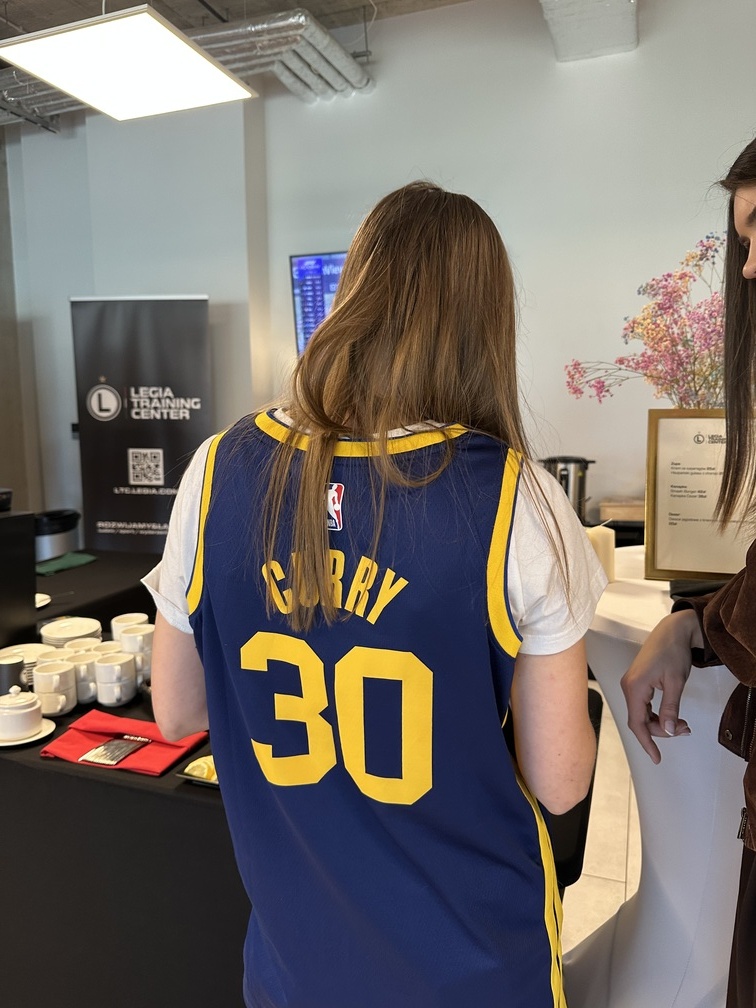
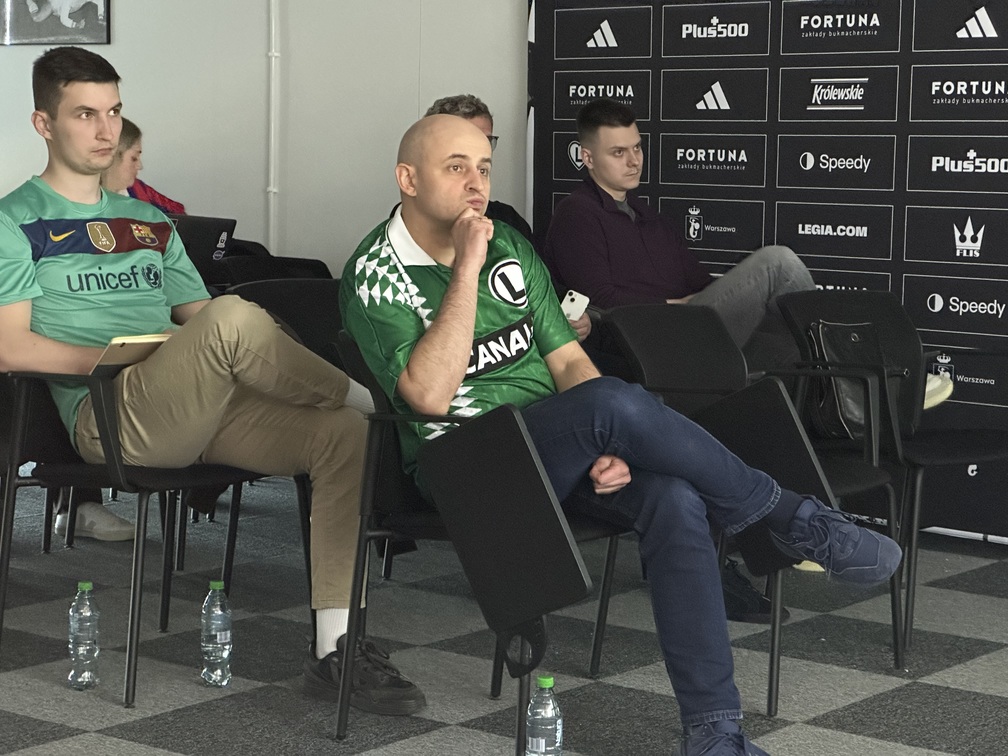
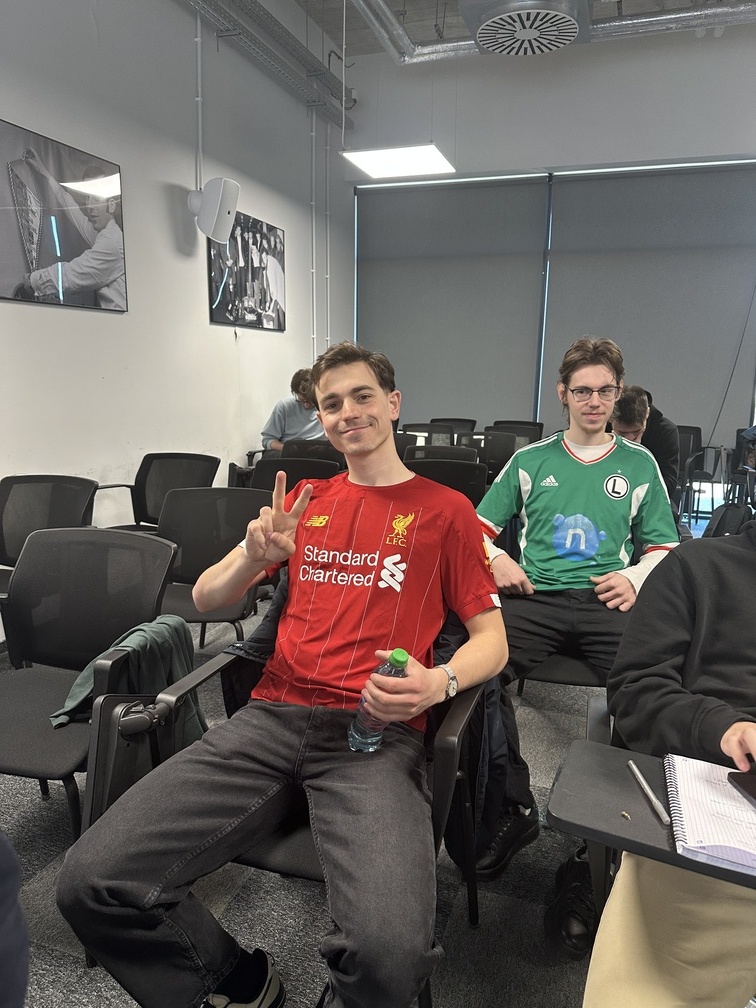
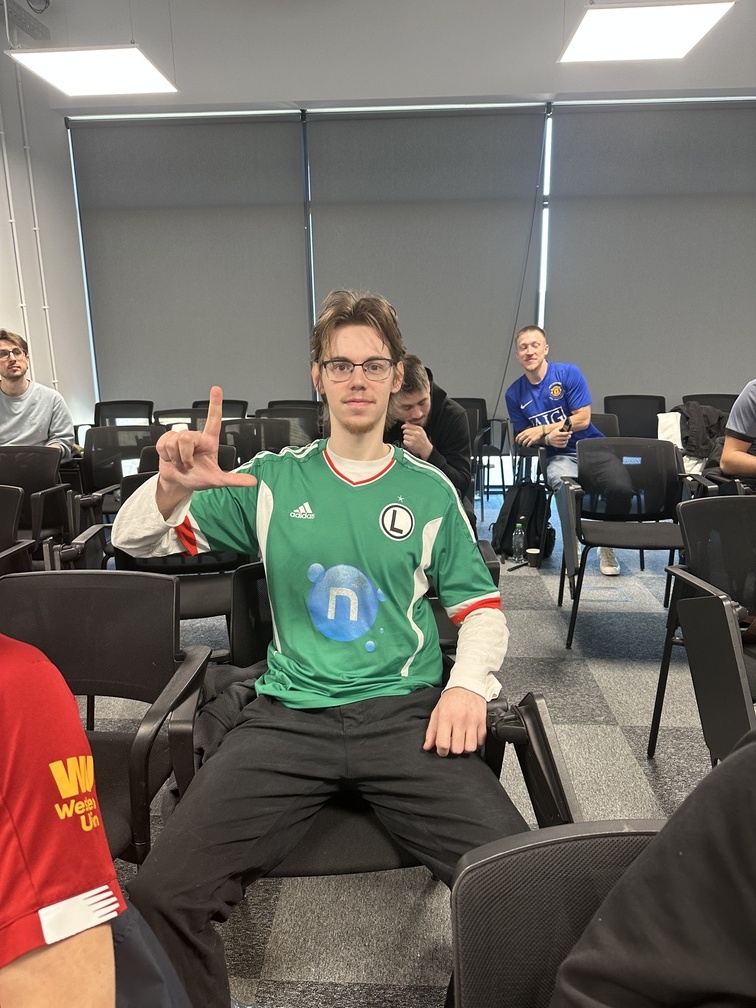
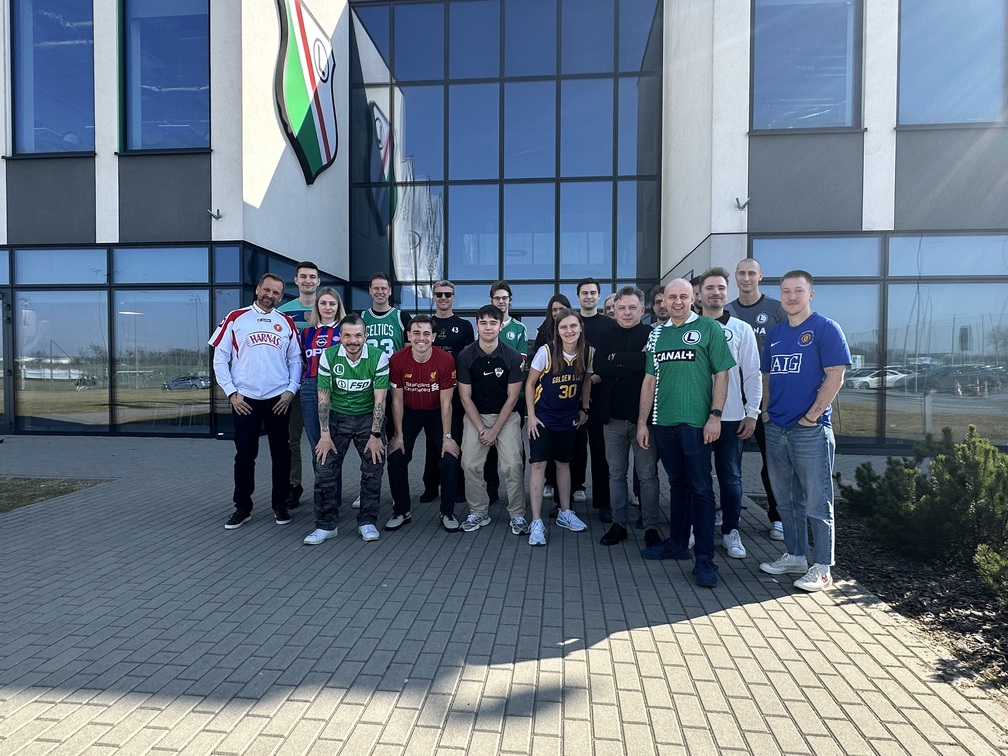
That is precisely why, starting this year, during our sessions of the Legia Sport Business Programme, we celebrate Retro Sports Jersey Day.
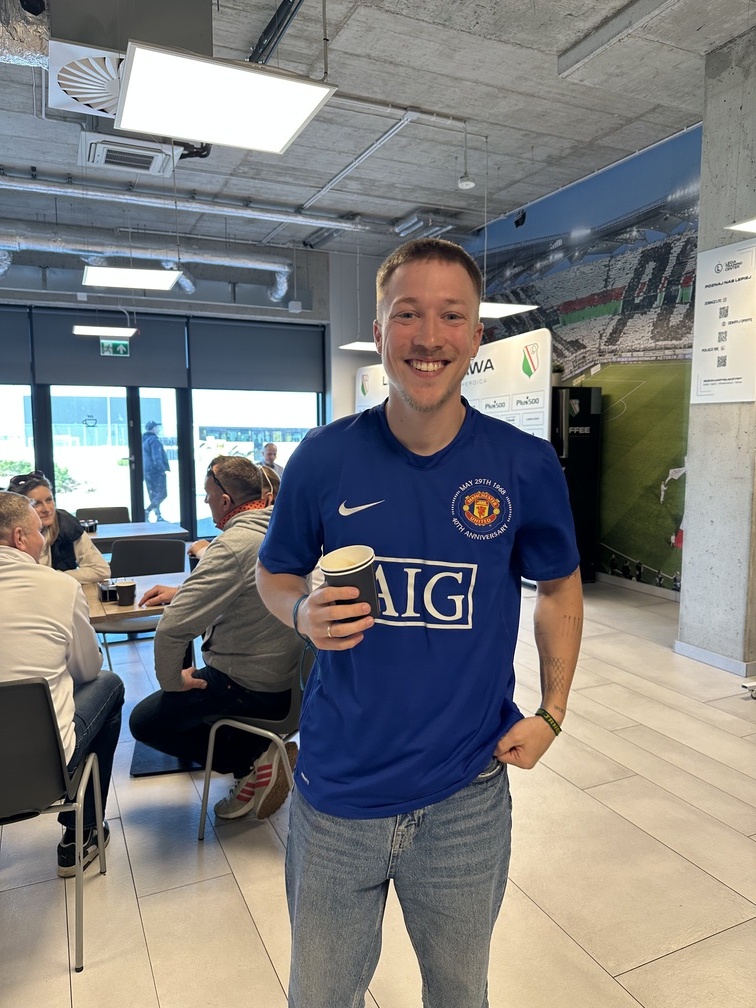
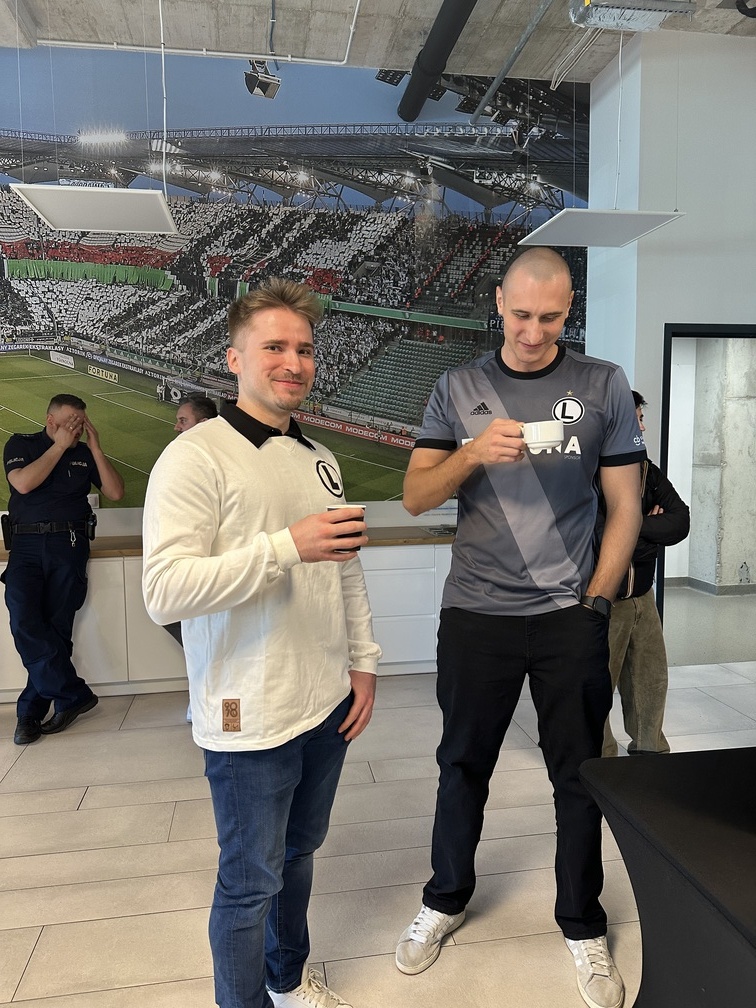
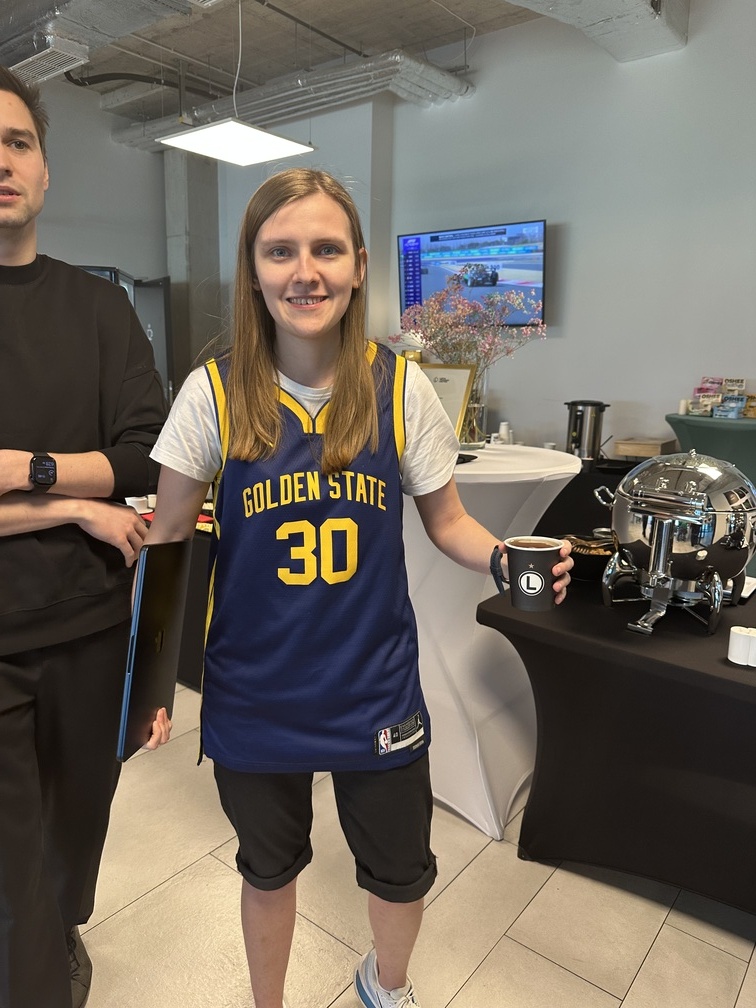
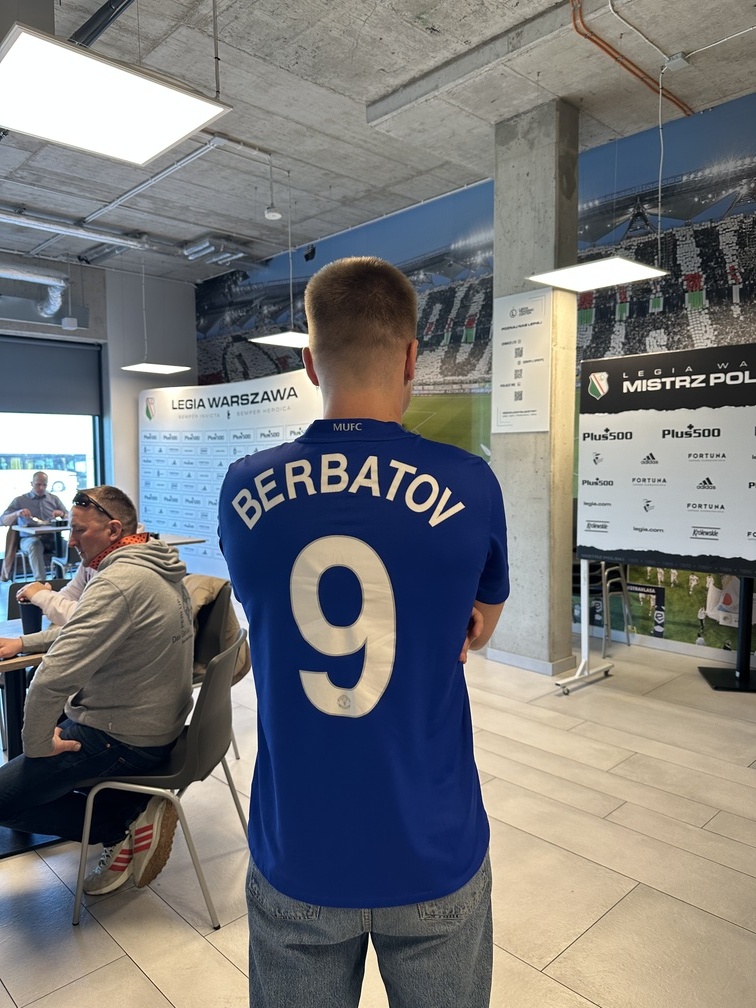
It is the day when jerseys from different eras appear in the room: some slightly faded, others with worn numbers.
But all of them are beautiful and meaningful.
Because behind each of them stands a story.
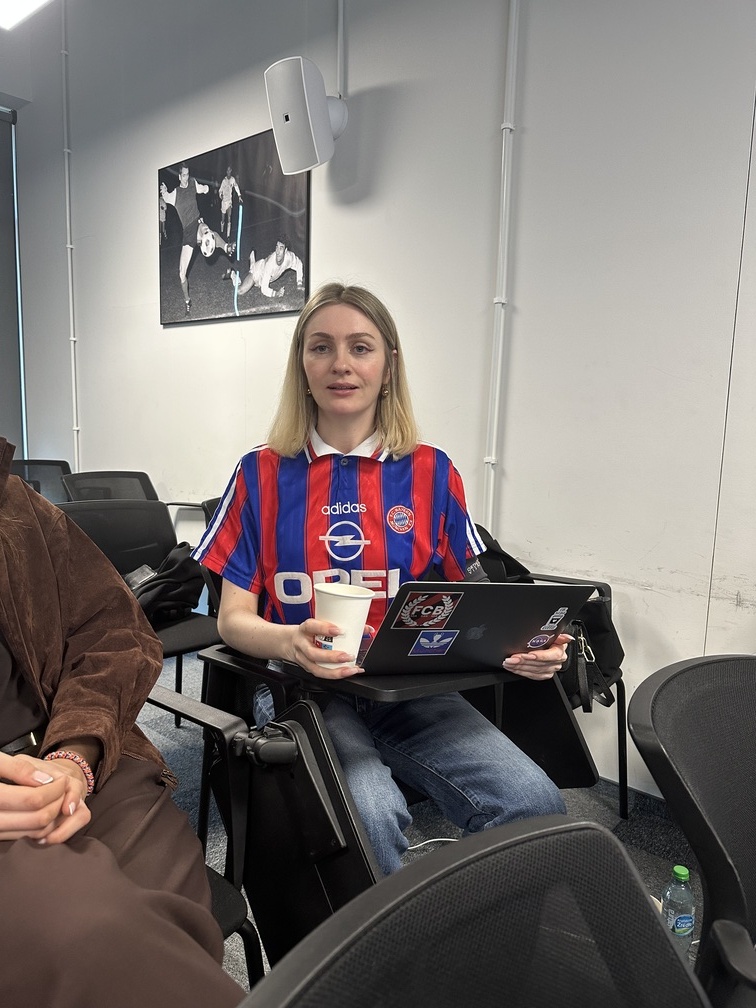
Like the one shared with us by Helena, a participant of the fifth edition:
The first football match I ever watched was the 1999 UEFA Champions League final: Bayern München vs Manchester United. My father and his friends supported United. I, slightly out of contrariness, chose Bayern.
Bayern was leading almost until the end of the match, but lost in the final minutes. I was very disappointed. My father then said something I remembered for the rest of my life: that it is easy to change sides when difficulties appear, but true character reveals itself when you stay loyal to your choice.
The next day he gave me this Bayern jersey. It has been with me for over 25 years.
Today I run a football club for children on the autism spectrum. And it is here that I understand my father’s words best – that a true choice begins when things stop being easy. That is why I chose a form of football that requires more patience, more work and more attentiveness, but gives a chance to children for whom it would be easiest to say that football is not for them.
Tomek, meanwhile, returned to the time of his first days as a Legia supporter by wearing a jersey from the 1995/96 season, recalling the club’s debut in the Champions League.
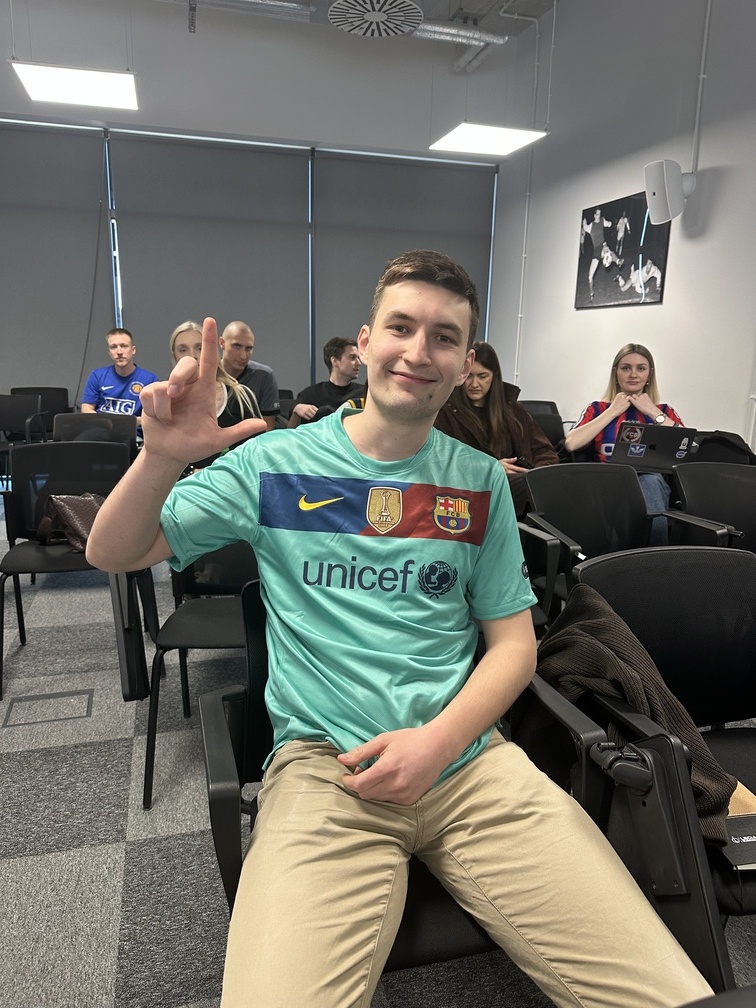
Fryderyk, on the other hand, took a clear stance in the debate about the greatest player of our times – CR7 or Messi – by showing up in an FC Barcelona jersey from the 2010/11 season.
It is no coincidence that fascination with retro jerseys is growing worldwide today. The global sports merchandising market already exceeds 30 billion dollars annually, and one of its fastest-growing segments is precisely historic and vintage sports jerseys. Collector platforms sell hundreds of thousands of such pieces every year, and some models from the 1990s now reach auction prices exceeding 1,000 euros.
But as fans, we do not collect fabric.
We collect emotions, moments and stories.
And above all, we remind ourselves why we once fell in love with sport.
And why it remains a magnet that pushes us to give more of ourselves.
If you would also like to take part in inspiring lectures and, in the future, combine passion with professional work, join the VI edition of the Legia Sport Business Programme, you can Apply to the programme HERE.
All photos below.