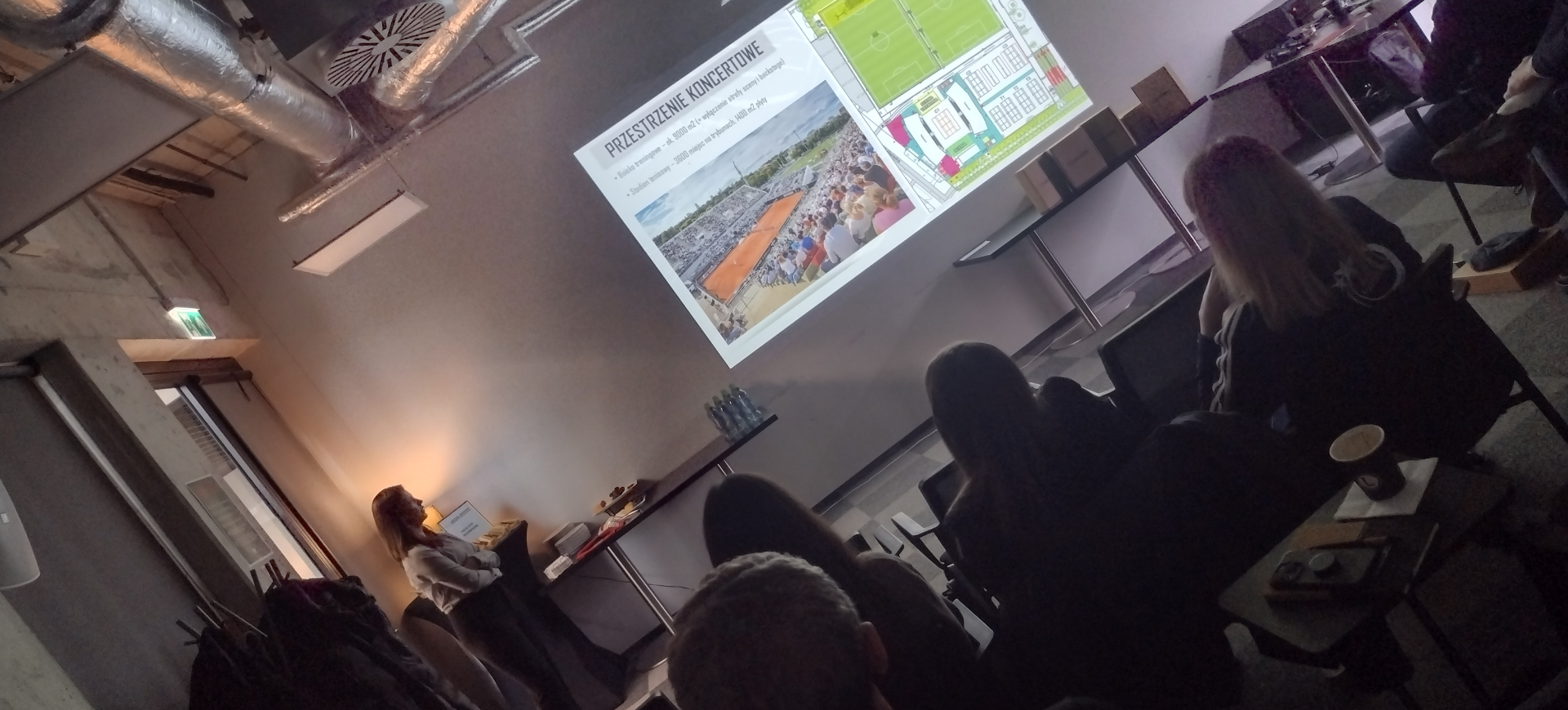
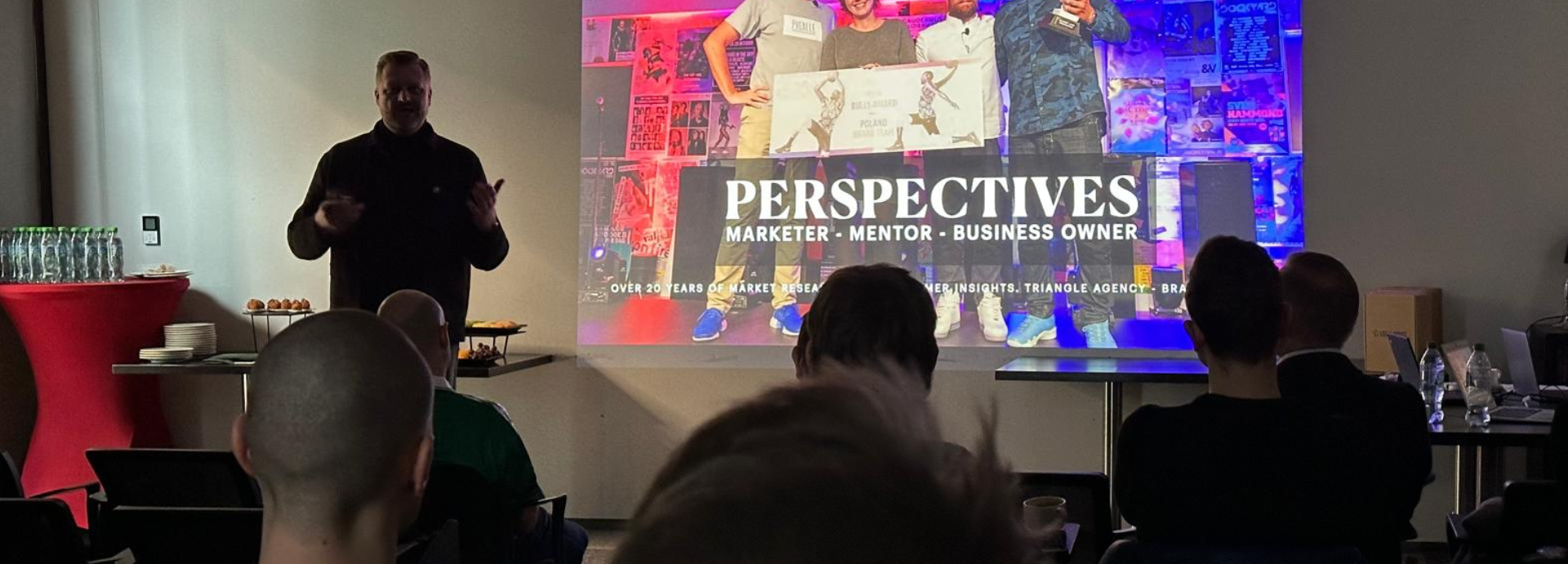
From the very first training session, we teach children to talk to one another. Communication quickly becomes one of the most important tools in building their future successes. It’s no different in sports organisations. During the next session of our programme, we focused precisely on this area – and concluded the day with demanding problem-solving workshops for all participants.
On 13 December, we immersed ourselves in the topic of sports communication – one of the most demanding yet essential competencies in the world of clubs, leagues and sports organisations.
Artur Adamowicz – an architect of communication strategies
Artur took the group behind the scenes of developing communication policies for clubs and personal brands.
He spoke about:
-
building communication systems that remain resilient in times of crisis,
-
analysing audience groups and adapting tone of voice to their expectations,
-
the difference between planned communication and the “here and now,”
-
the importance of consistency and repetition in building credibility,
-
the role of leaders – athletes, coaches and directors – as carriers of organisational values.
Participants also learned how the reception of messages is changing today, and why clubs must approach communication strategy as seriously as sporting strategy itself.
Bartosz Zasławski – the first line of contact with the media
Bartosz opened the door to the everyday work of the spokesperson of the biggest club in Poland.
He talked about:
-
managing the flow of information within an organisation,
-
building trust with journalists and media partners,
-
designing communication processes before, during and after a match,
-
precision as the most crucial tool in communication work,
-
transparency – often the hardest, yet the most beneficial path.
Jakub Myszkorowski – storytelling as a tool of influence
To close the session, Jakub showed participants that sports communication is much more than messages and media channels.
It is, above all, about stories:
-
about clubs building their identity,
-
about athletes who become heroes,
-
about fans who experience emotions shaped by the narratives created by organisations.
Jakub discussed:
-
designing the emotional journey of the audience,
-
creating campaigns that carry the club far beyond the sporting result,
-
crisis communication – with examples where seconds determined success or failure,
-
connecting communication strategy with the long-term mission of a sports organisation.
…and you?
When will you decide to invest in your skills and step into the world of professional sport with a full set of competencies that truly change careers?
The Legia Sport Business Programme remains the most dynamic, practical and inspiring educational space for future sport managers.
Join us in the next edition!